Descubre la flora de nuestro camino
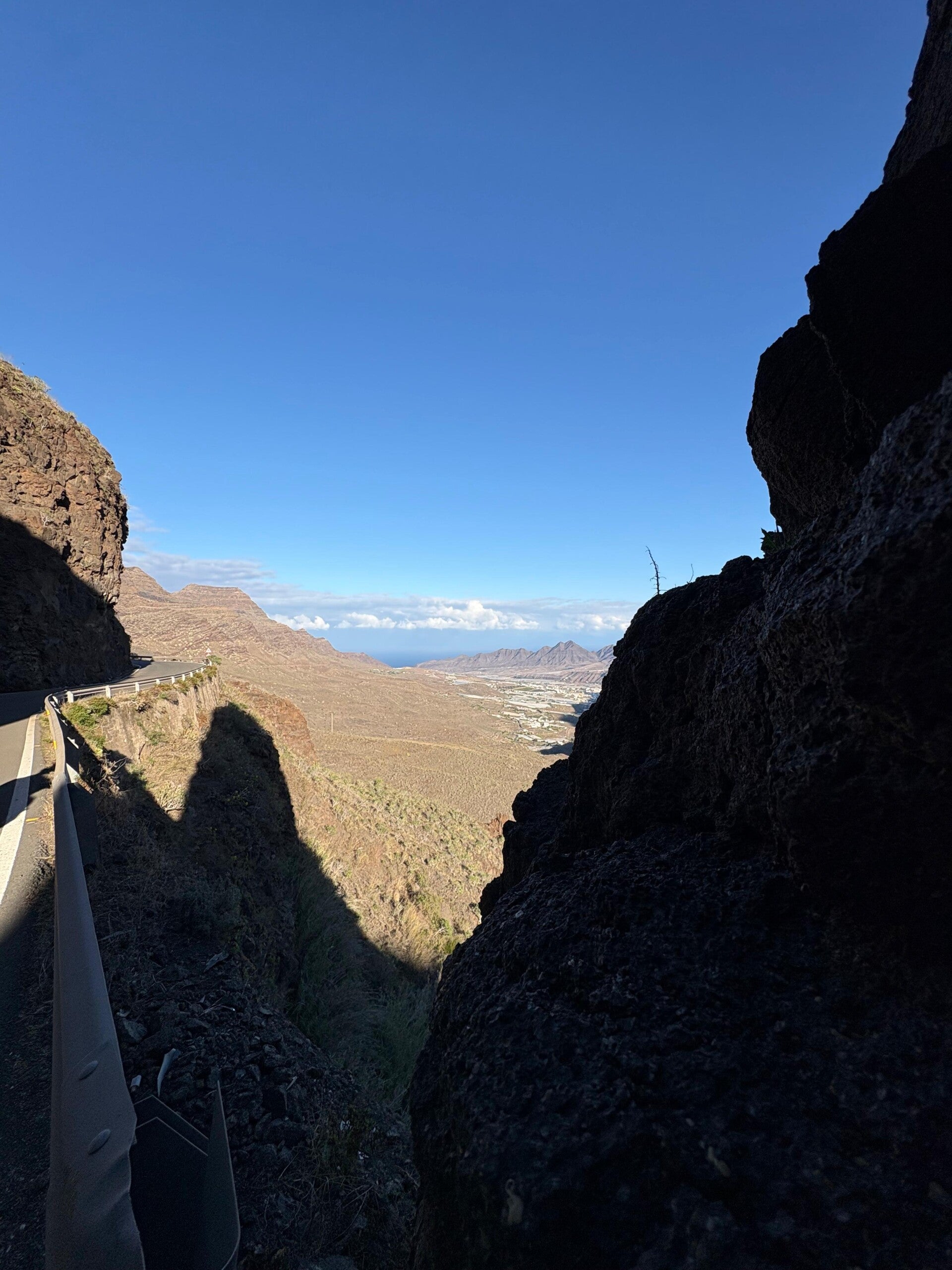
Un ecosistema por descubrir
La zona que recorremos en esta caminata es frondosa con abundante vegetación, aunque distinta, la que solemos imaginar de bosques de pinos o cedros aquí terminan augustos grandes y plantas endémicas, es decir, especies que solo se encuentran en Canarias de ello, la mayoría de los vendimos de España y Europa están presentes en nuestra islas, lo que hace que esta flora sea única y muy especial
The area we travel in this walk is leafy with abundant vegetation, although different, the one we usually imagine of pine or cedar forests here end large augustos and endemic plants, that is, species that are only found in the Canary Islands of it, most of the sales of Spain and Europe are present on our islands, which makes this flora unique and very special
La presencia de agua en la ruta: una curiosidad natural
Durante la caminata podemos ver juncos, plantas que solo crecen donde hay agua constante, lo que revela que bajo esta zona aparentemente seca existe agua todo el año. Esto ocurre por la acción del alisio, un viento húmedo que al chocar con las montañas de casi 1000 metros que rodean La Aldea deja parte de su humedad atrapada, la cual se filtra hacia el interior del terreno.
El agua desciende por la roca hasta encontrarse con unas capas rojizas de arcilla rica en hierro. Estas capas fueron endurecidas e impermeabilizadas cuando, en el pasado, la lava volcánica las calentó a más de 1000 ºC, como si fueran cerámica. Al no poder atravesar esta barrera, el agua busca salida hacia la superficie y aparece en pequeñas emanaciones que se observan en la ruta.
Este fenómeno geológico explica por qué en lugares como Tasarte, Veneguera y otras zonas cercanas siempre hay presencia de agua, a pesar del clima seco que caracteriza la zona.
During the walk we can see reeds, plants that only grow where there is constant water, which reveals that under this apparently dry area there is water all year round. This occurs due to the action of the trade wind, a humid wind that when it collides with the mountains of almost 1000 meters that surround La Aldea leaves part of its moisture trapped, which filters into the terrain.
The water descends through the rock until it encounters reddish layers of iron-rich clay. These layers were hardened and waterproofed when, in the past, volcanic lava heated them to more than 1000 ºC, as if they were ceramics. Not being able to cross this barrier, the water seeks a way out to the surface and appears in small emanations that are observed on the route.
This geological phenomenon explains why in places like Tasarte, Veneguera and other nearby areas there is always the presence of water, despite the dry climate that characterizes the area.


Otras plantas
Durante el camino nos podemos ir encontrando plantas como estas:


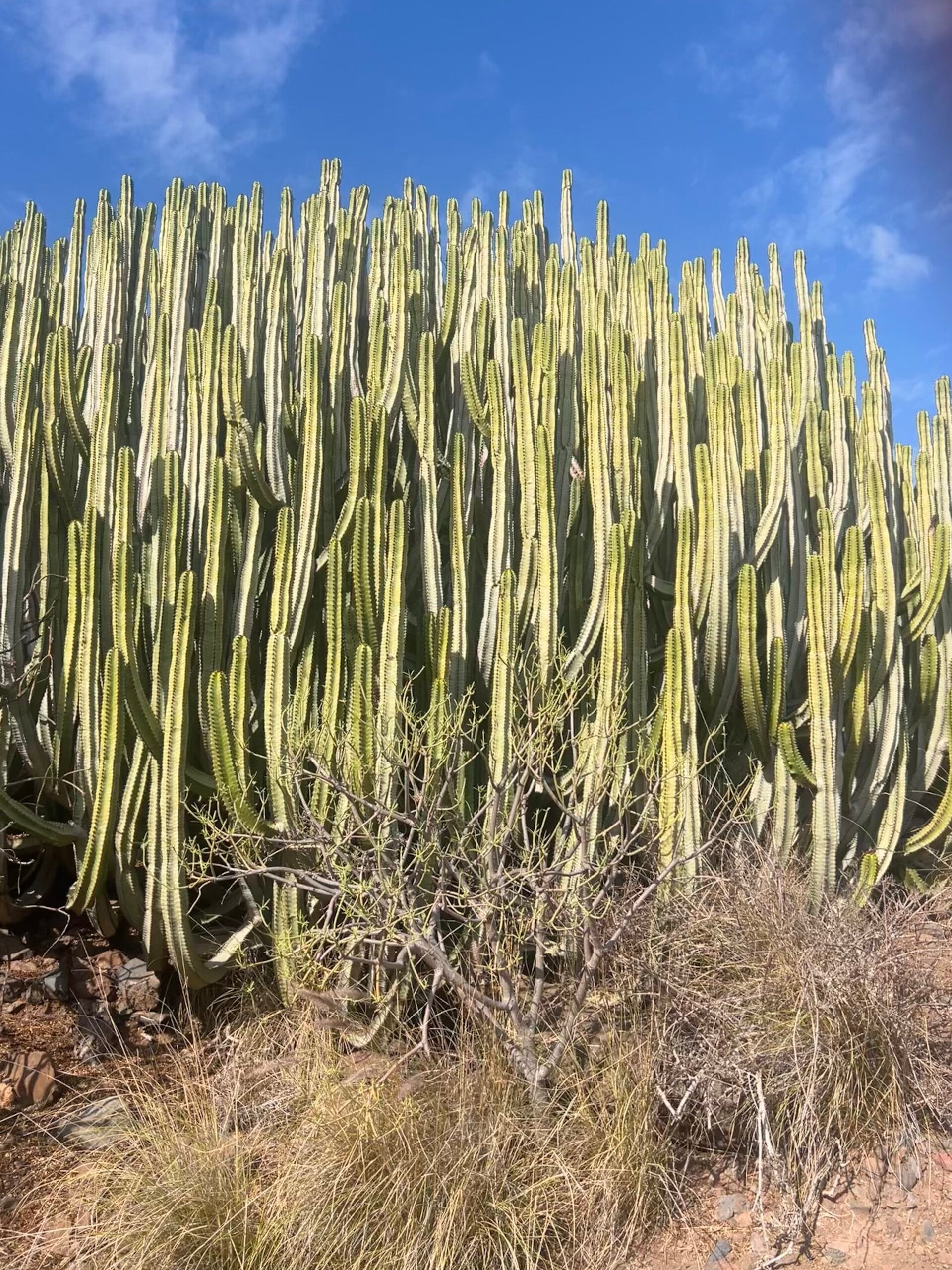
Especies endémicas: Tesoros únicos
Entre las plantas más destacadas se encuentran el Cardón y la Tabaiba amarga(ambas del género Euphorbia) Estas plantas tienen una sabia blanca y tóxica que los aborígenes utilizaban para pescar al verterla en los charcos naturales. Los peces quedaban aturdidos y más fáciles de capturar. Está práctica es el origen de la fiesta del charco celebrada tradicionalmente en la zona el cartón en particular es un verdadero ecosistema por sí mismo con una vida media de 80 años alberga en su interior, pájaro roedores e insectos que aprovechan el agua que la planta conserva. Por ello, cada cardón puede considerarse una urbe natural, con fauna y flora que conviven y se protege mutuamente
Among the most prominent plants are the Cardón and the bitter Tabaiba (both of the genus Euphorbia). These plants have a white and toxic sage that the aborigines used to fish when pouring it into natural puddles. The fish were stunned and easier to catch. This practice is the origin of the puddle festival traditionally celebrated in the area. The cardboard in particular is a true ecosystem by itself with an average life of 80 years. It houses inside, birds, rodents and insects that take advantage of the water that the plant conserves. Therefore, each cardon can be considered a natural city, with fauna and flora that coexist and protect each other
Esta vegetación no es solo hermosa y singular, sino que también muestra la relación de los antiguos habitantes con la naturaleza y la importancia de conservar estos ecosistemas únicos
Crea tu propia página web con Webador